The New Balance 2040 is coming back.
The Made in USA 2040v5 will be released on August 20, 2026.
The price is USD 399.99.
It features three cushioning technologies—FuelCell, ABZORB SBS, and ENCAP—along with two carbon fiber plates.
The upper uses premium Horween nubuck.
It is truly one of the highest-end models New Balance makes today.
And seeing the 2040 name again reminded me of a pair I used to own.
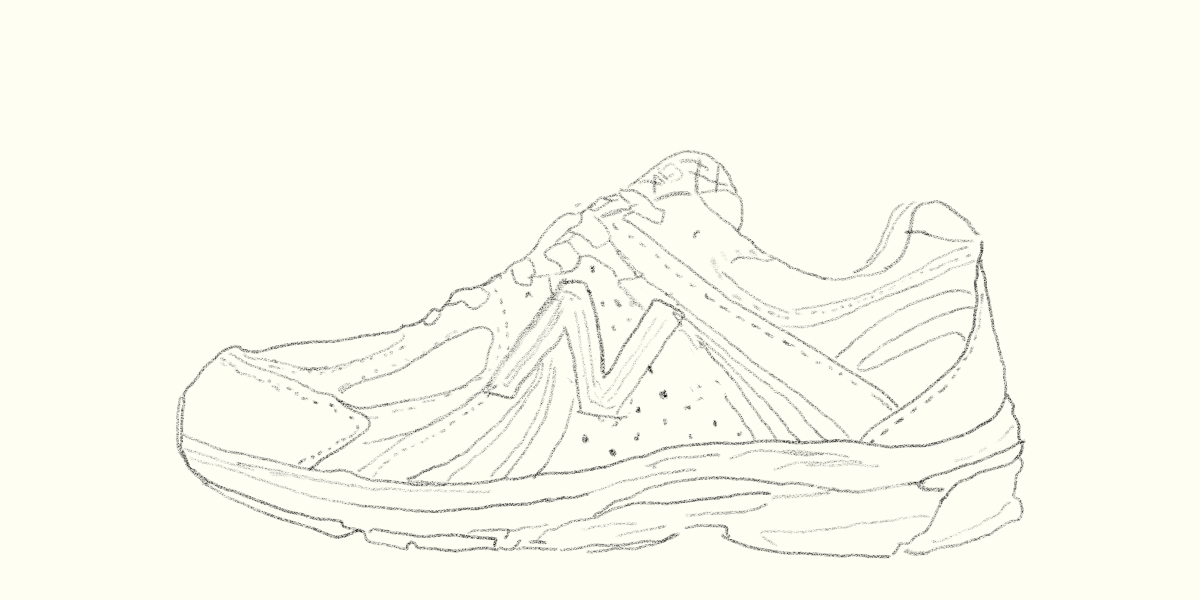
The M2040 V1.
I have already let them go, but they are still one of the New Balance models that left a strong impression on me.
The quality of the upper, in particular, was excellent.
At the same time, there were a few things that bothered me once I actually wore them, and those eventually became the reasons I decided to let them go.
With the release of the 2040v5 approaching, I thought this would be a good time to look back at the M2040 V1 I once owned.
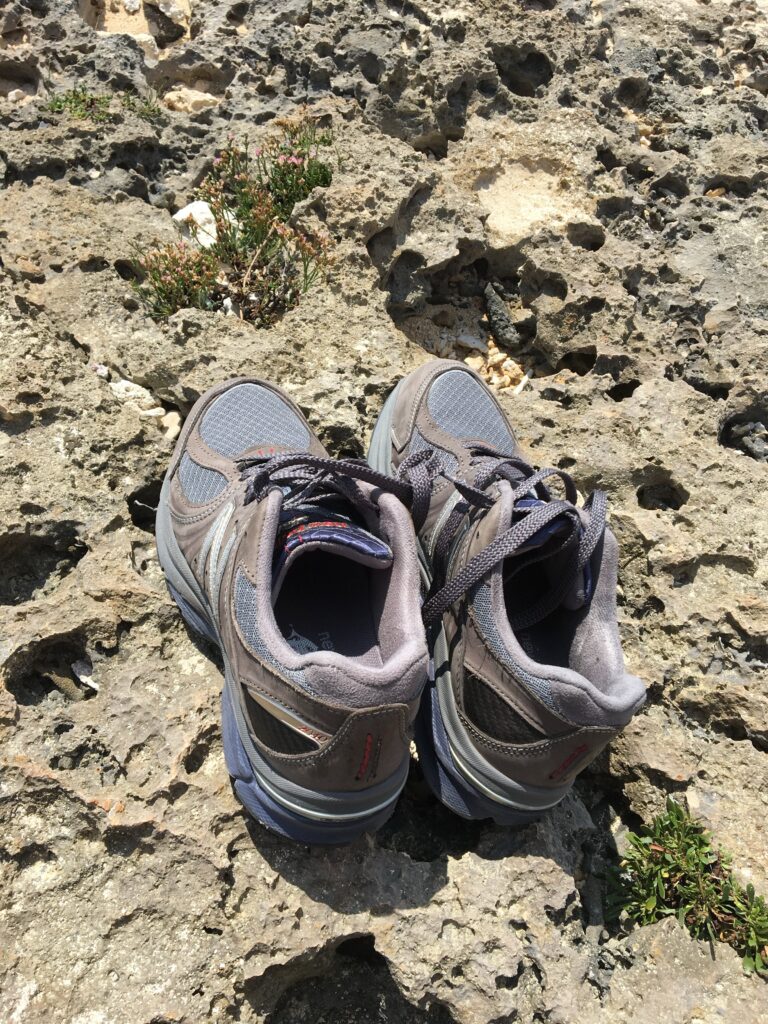
What Is the M2040 V1?
At the time, the M2040 was one of New Balance’s highest-end Made in USA models.
Rather than trying to keep the price down and make it accessible to as many people as possible, it was a flagship model built with expensive materials and technology.
Even looking back at the V1 now, it still feels very luxurious.
The complex upper.
The high-quality nubuck.
The components around the heel.
And the sole.
Rather than simply being a premium sneaker, it felt like a shoe that used as much of New Balance’s technology and materials as possible at the time.
And now, in 2026, the 2040 is coming back as the 2040v5.
Personally, I am very happy to see it return.
I will explain why later in the article.
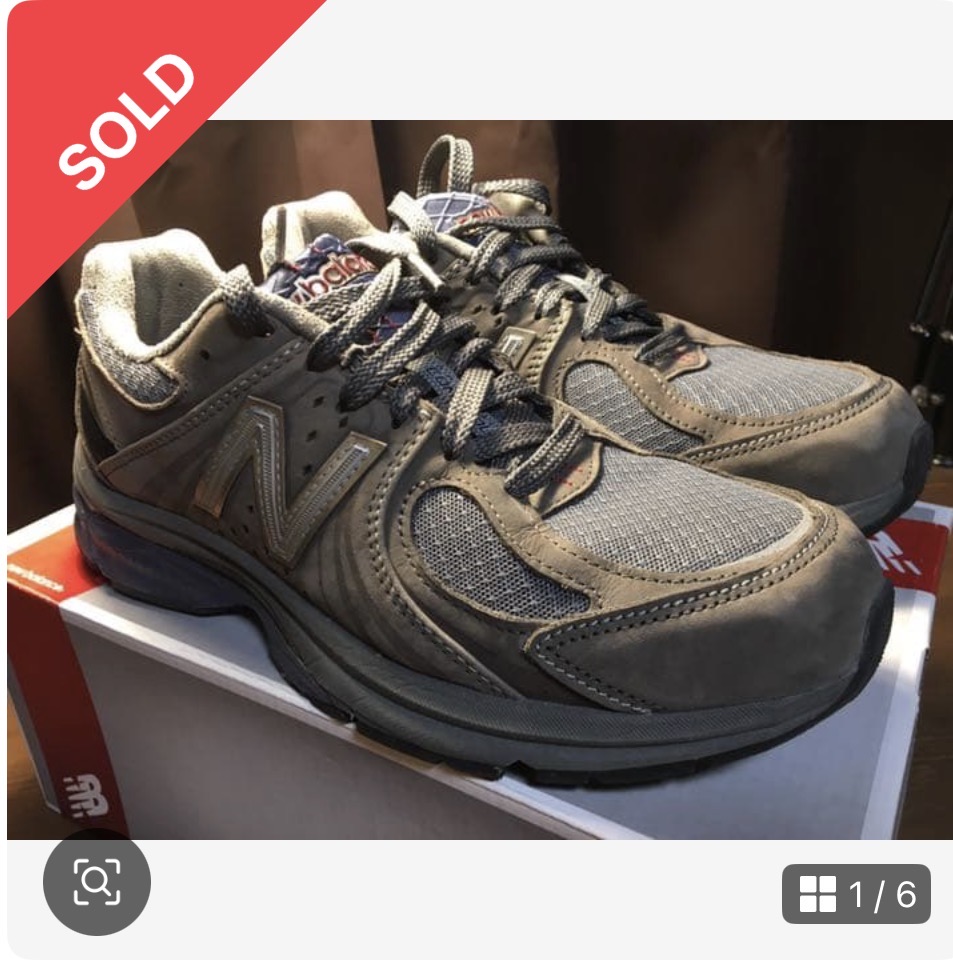
Why I Bought the M2040 V1
One of the reasons was the movie The Equalizer.
I thought the New Balance shoes worn by Robert McCall, played by Denzel Washington, looked incredibly cool.
I especially like the opening of the movie.
There is a scene where McCall is getting ready in the morning and cleans his New Balance shoes with a toothbrush before putting them on.
It is not a flashy scene.
But it shows how carefully McCall follows his daily routines, and I have always liked that part of the movie.
The model he wore in the movie was probably the New Balance 1540BK.
It is a different model from the M2040 V1.
However, the overall look, and especially the shape of the tongue, felt very similar.
When I saw the M2040 V1, I immediately thought of that movie.
It might sound a little simple, but I wanted to imitate that cool scene.
Then I found a used pair of M2040 V1s on Mercari for around JPY 20,000 and bought them.
I was also attracted by the opportunity to try what had once been one of New Balance’s highest-end models at that price.
Review Premise | This Is a 10,000-Step Review
When I review New Balance shoes, I usually use comfort after walking 20,000 steps as one of my benchmarks.
The three things I consider especially important are:
- Cushioning
- Responsiveness
- Stability
However, I have already let go of the M2040 V1.
So this time, I am looking back based on my experience walking around 10,000 steps in them when I owned them.
I want to make it clear from the beginning that the conditions are different from my usual 20,000-step reviews.
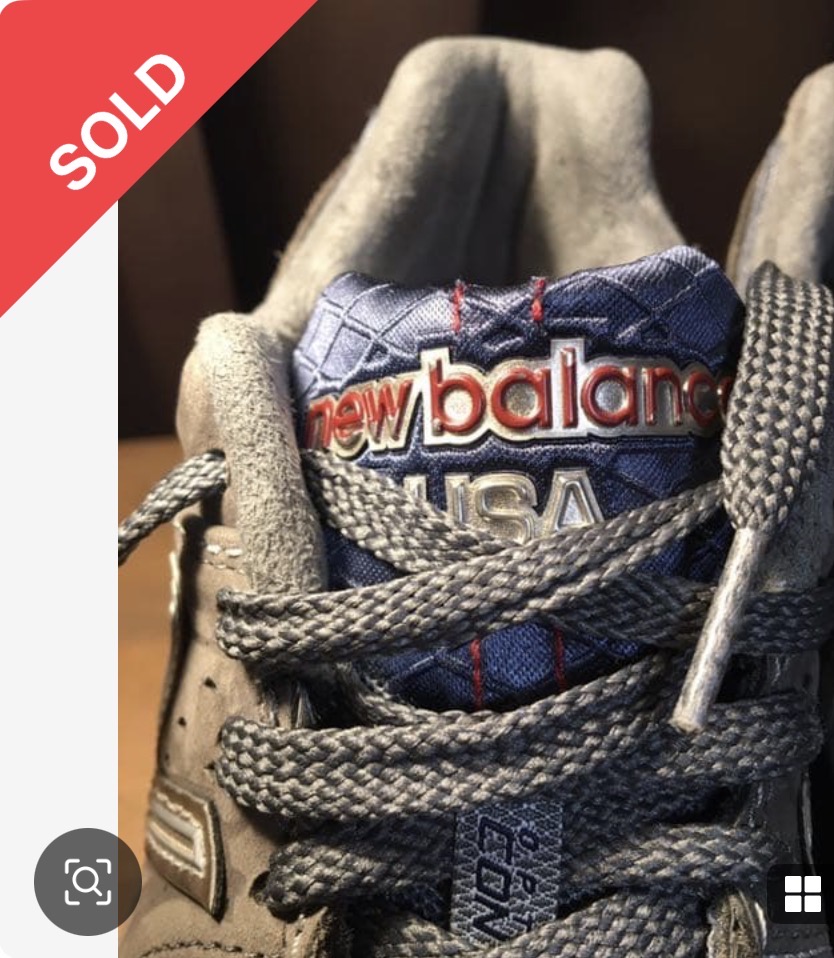
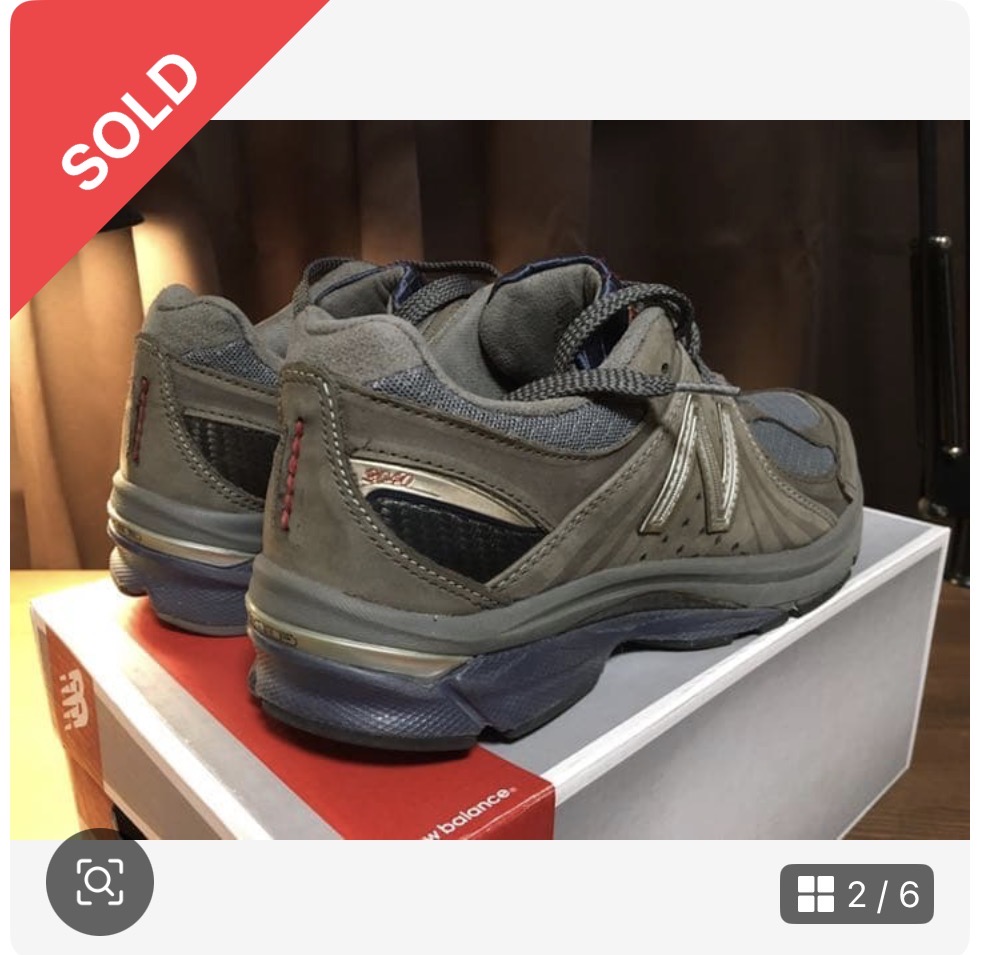
Since I no longer own the M2040 V1, some of the photos in this article are from when I listed them on Mercari. As a result, you may see a “SOLD” label on some images.
Stability | Gently Wrapping Around the Entire Foot
The stability was quite high.
However, what stood out to me about the M2040 V1 was that the stability felt slightly different from shoes that rely on reinforcement pieces to lock your foot firmly in place.
Many modern sneakers use plastic or other reinforcement components to lock down specific areas and improve stability.
The M2040 V1 felt different.
What I remember most about this shoe is the nubuck used on the upper.
The quality was simply excellent.
And the firm, high-quality nubuck itself wrapped around the entire foot.
Rather than strongly locking down one particular area with reinforcement pieces, it felt like:
Gently wrapping around and supporting the entire foot.
That was the sensation.
I have worn many New Balance shoes over the years, but the fit of this upper still stands out in my memory.
Personally, I think a shoe with an entire upper made from nubuck of this quality would be incredibly good.
Of course, that would probably cost a lot.
Maybe that is exactly why it was possible on the 2040, which was positioned as a top-tier model.
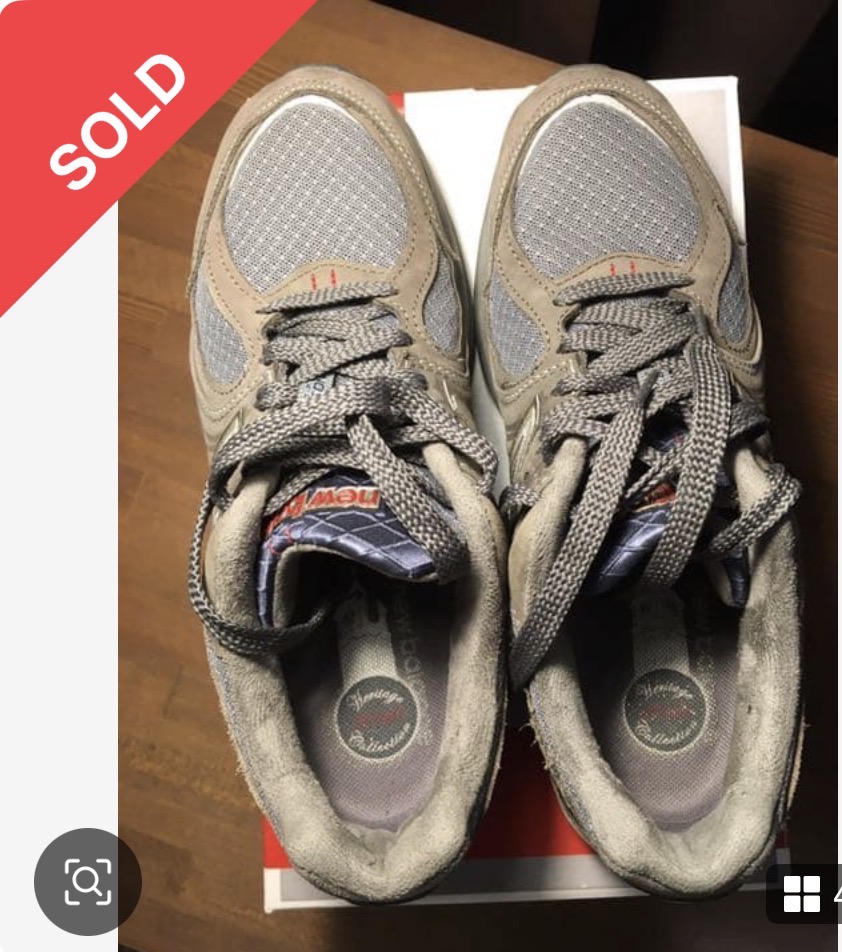
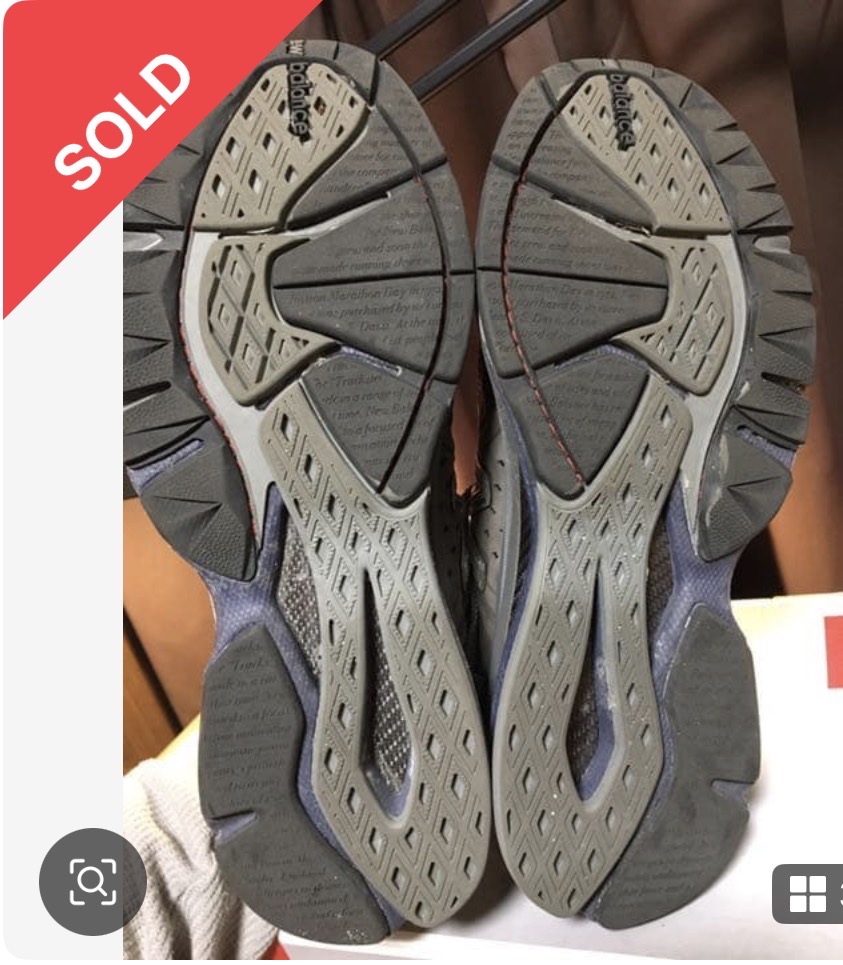
Cushioning | Not Soft, but Dense and Substantial
The cushioning is on the firmer side.
But that does not simply mean it lacks cushioning.
The best way I can describe it is:
Dense and substantial.
It does not feel like a soft foam that squishes down under your foot to absorb impact.
Instead, it feels as if a dense layer of foam is packed firmly beneath your foot and supports your body weight.
Rather than absorbing impact through softness, the firm cushioning supports you solidly from underneath.
That gives you a reassuring feeling when your foot lands.
Personally, it felt like an old-school type of cushioning designed for very long distances.
However, there was one problem.
The cushioning supported you well.
But it did not help propel you forward.
Responsiveness | This Is Where You Feel Its Age
The responsiveness is relatively low.
In this respect, it feels a little similar to the original M2002.
Rather than the shoe naturally helping you move forward, it feels more like:
Use the ball of your foot and push firmly off the ground yourself.
That is how the design felt to me.
It is quite different from modern New Balance shoes equipped with FuelCell.
Modern shoes use the foam itself to provide rebound and help with the next step.
As a result, it is easier to move forward without having to push hard against the ground yourself.
The M2040 V1 did not give me much of that feeling.
Around 10,000 steps was not a problem.
But once you start reaching 15,000 or 20,000 steps, I think the lack of responsiveness would contribute to fatigue.
The cushioning is solid.
The foot feels stable.
But you still need to use your own legs to move forward.
This is where the shoe clearly shows its age.
Fit | The Upper Was Excellent, but My Heel Still Slipped
Another thing that bothered me was the heel fit.
Even now, I am not completely sure what caused it.
Even when I tightened the laces all the way to the top, I could feel my heel lifting slightly while walking.
Maybe it was because of the stiffness of the upper.
Maybe it was the shape around the heel.
Or maybe the overall shape of the M2040 V1 simply did not suit my feet.
I cannot say for sure.
But at least for my feet, the heel fit was not perfect.
What is interesting is that the upper itself still felt excellent.
My entire foot felt gently wrapped in premium nubuck.
But when I walked, my heel lifted slightly.
The material-level fit was excellent.
But the overall fit of the shoe was not perfect.
It was a slightly unusual feeling.
Why I Let Go of the M2040 V1
In the end, I decided to let go of the M2040 V1.
The biggest reason was that the sole did not suit me.
The stability was high.
The cushioning was substantial.
And the quality of the upper was genuinely excellent.
But when I considered the shoe for long-distance walking, it did not have enough responsiveness for me.
There was also the heel slippage I mentioned earlier.
It was a great New Balance shoe made with premium materials.
But it did not perfectly suit my feet or the way I wanted to use it.
That is why I let it go.
That Is Why the 2040v5 Interests Me
And now, in 2026, the 2040 is coming back.
What interests me most about the new 2040v5 is the sole.
It uses three cushioning technologies: FuelCell, ABZORB SBS, and ENCAP.
It also features two carbon fiber plates.
FuelCell is designed to provide a more propulsive feel and help move you forward.
That directly connects to the weakness I felt in the M2040 V1.
The V1 had plenty of stability.
The cushioning was substantial.
But it lacked the responsiveness that helps move you forward.
So I am very curious to see what happens when FuelCell is added to the 2040.
The upper also uses premium Horween nubuck.
What I loved most about the V1 was:
The feeling of premium nubuck wrapping around the entire foot.
I hope that feeling remains in the new 2040.
Do We Really Need a USD 400 New Balance?
The 2040v5 is priced at USD 399.99.
For a pair of sneakers, that is very expensive.
But personally, I think New Balance needs models like this.
Not every sneaker needs to be designed around balancing performance and price.
Sometimes, there should be a model built around the idea of:
Make the best shoe possible, even if it becomes expensive.
I think models like this matter because they can lead to new technologies and new ideas.
Cars have flagship models.
Watches have flagship models.
Sneakers can also have a place where a brand uses its best materials and technologies without holding back.
Even looking back at the M2040 V1, it was not simply a luxurious sneaker.
The complex upper.
The components around the heel.
The sole.
Looking at all these areas, you can feel that New Balance was trying to put as much of its technology as possible into the shoe.
And the 2040v5 also features premium Horween nubuck, FuelCell, ABZORB SBS, ENCAP, and two carbon fiber plates.
It is not a New Balance for everyone.
And I think that is fine.
The 2040 does not need to be for everyone.
I want it to be a place where New Balance can make the best shoe it is capable of making at that moment.
And hopefully, the technologies and ideas developed there will eventually make their way into other New Balance models.
That is why I am happy to see the 2040 return as a top-tier model.
Conclusion
The M2040 V1 was not a perfect shoe for me.
I still think the quality of the upper was among the best I have experienced.
The premium nubuck gently wrapped around the entire foot.
The cushioning was firm, dense, and supported the foot well.
On the other hand, the responsiveness was low, and over longer distances, I needed to push firmly off the ground with my own feet.
I also experienced some heel slippage.
That is why I eventually let them go.
Even so, the 2040 is still a shoe that left a strong impression on me.
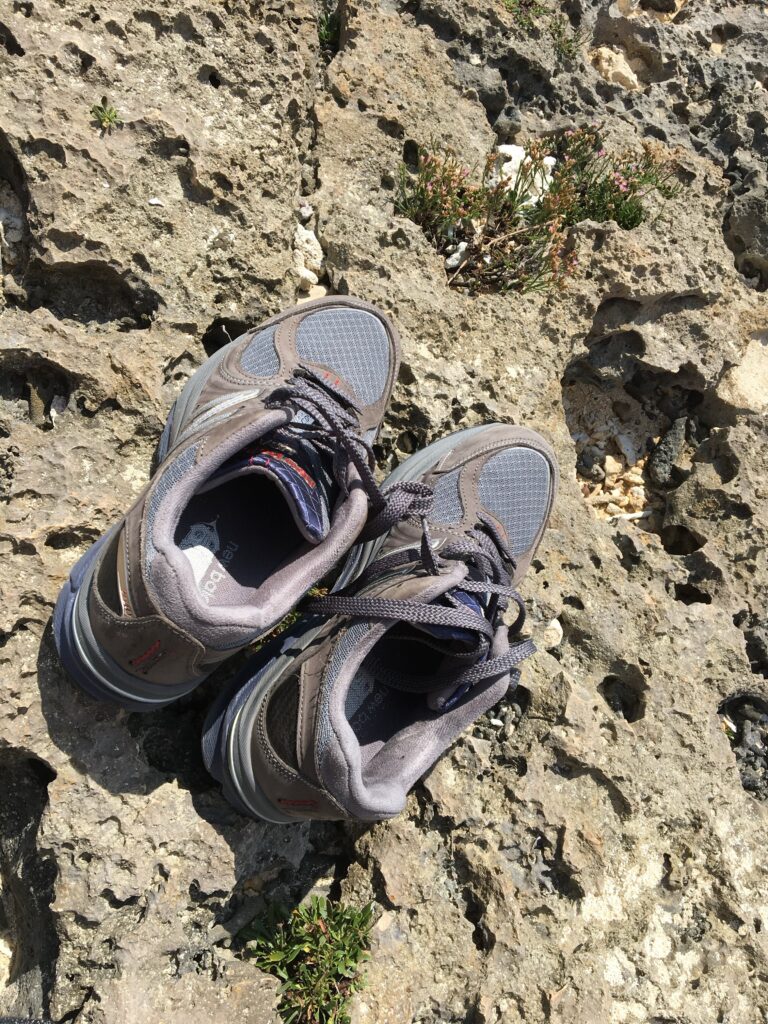
And now, the 2040 is returning once again as one of New Balance’s highest-end models.
The excellent upper I remember from the V1.
What happens when that is combined with the responsiveness of modern FuelCell?
USD 399.99.
It is not an easy price to pay.
But I want to try them at least once.
It has been a while since a New Balance release made me feel that way.