

In this series, I introduce places that Japanese people actually go to.
Not tourist spots made popular by social media.
Not stylish places designed for Instagram.
Instead, these are the places people stop by after work.
The places they often visit on their days off.
Through this series, I’d like to give you a small glimpse into everyday life in Japan.
This time, I’d like to introduce Hashigo, a tantanmen restaurant that I used to visit often when I was working in Tokyo.
Whenever I had a tiring day or suddenly craved something spicy, I naturally found myself heading there.
For me, it’s that kind of bowl.
What is Hashigo?
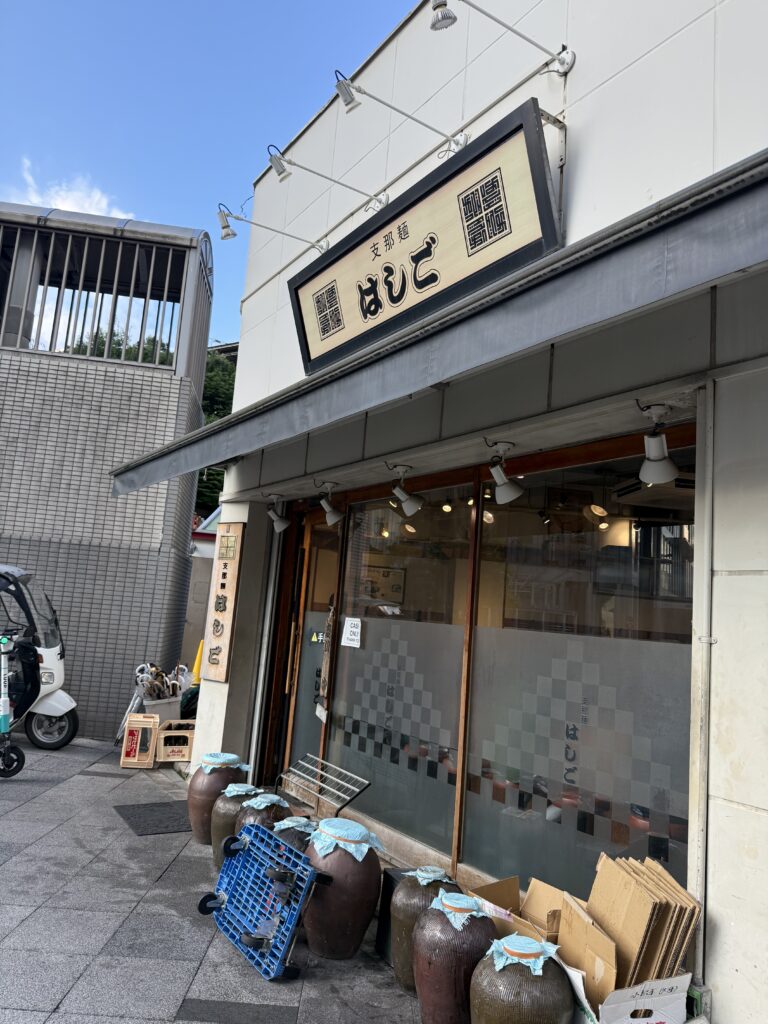
Hashigo is a restaurant specializing in tantanmen that was founded in Ginza in 1995.
Today, it has several locations across Tokyo, including Ginza and Akasaka.
When you walk into the restaurant, you’ll notice that many of the customers are salarymen.
At lunchtime, the seats quickly fill up, and as soon as people finish eating, they head straight back to work.
Rather than a place to sit and enjoy a long conversation, it’s a place to enjoy a delicious bowl of ramen before getting back to the rest of the day.
That’s the kind of atmosphere you’ll find here.
For people working in Tokyo, it’s truly something like soul food.
What Makes Hashigo Special
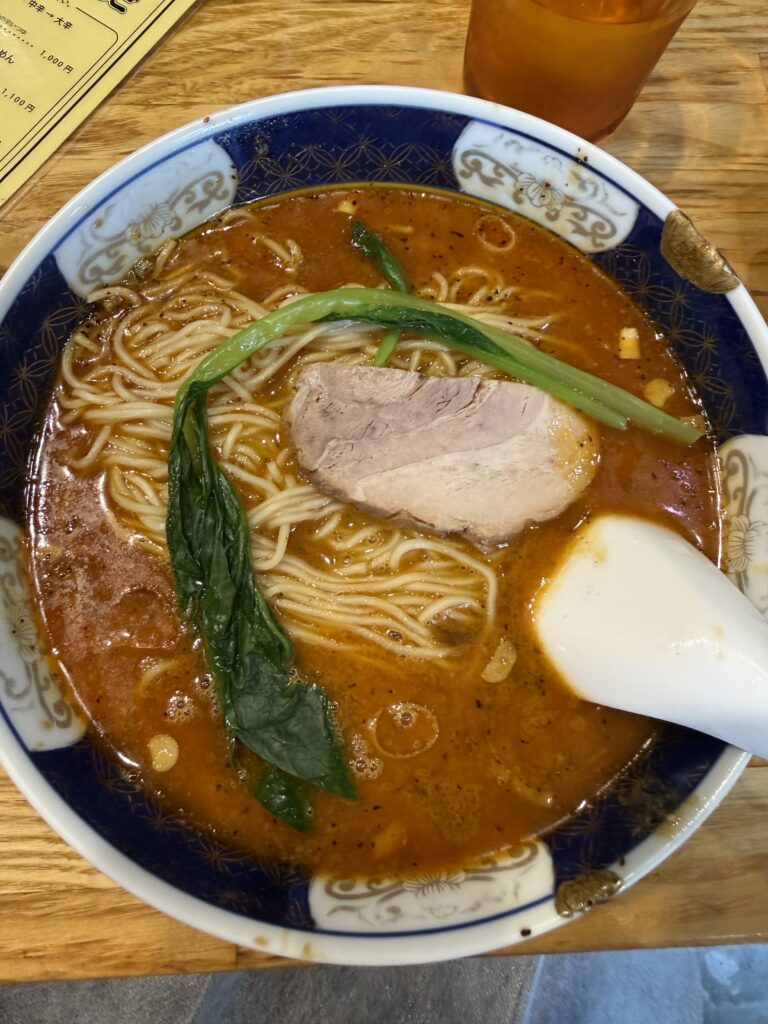
Hashigo’s signature dish is its tantanmen.
Unlike typical tantanmen, it features a soy sauce-based broth with the richness of sesame and just the right amount of spice, creating a unique flavor.
It’s savory, pleasantly spicy, and incredibly addictive.
Once you start eating, it’s hard to stop.
You can also choose your preferred spice level, so if you’re not good with spicy food, the mild version is a safe choice.
Rice and Pickles Are Part of the Experience
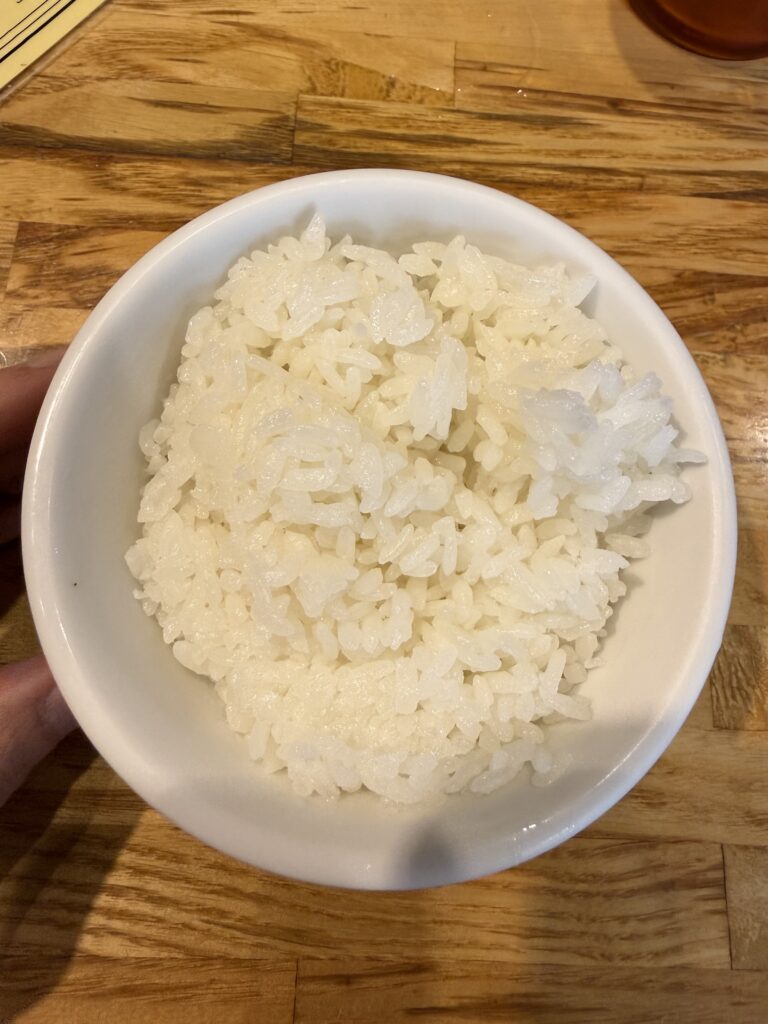
At the Akasaka branch, which I used to visit often, a bowl of rice is included free of charge.
You can even get up to two free refills.
There are also complimentary pickles on every table.
Eating them between bites of tantanmen refreshes your palate.
Before you know it, you’re reaching for another bite of ramen—and another bite of rice.
I also recommend pouring the remaining soup over your rice at the end of the meal.
Being able to enjoy every last drop is part of what makes Hashigo so special.
Things to Know Before You Visit
Even the simplest bowl of tantanmen costs around ¥1,000.
Also, they accept cash only.
Cashless payment is not available, so I recommend bringing cash with you.
The restaurant gets busy during lunchtime, but the turnover is very fast, so you usually won’t have to wait long.
Store Information
Hashigo Ginza Main Store
- Dai-ni Soiree de Building 1F
- 6-3-5 Ginza, Chuo-ku, Tokyo
- About a 2-minute walk from Ginza Station
Hashigo Ginza 8-chome
- Tosei Building 1F
- 8-10-7 Ginza, Chuo-ku, Tokyo
- About a 4-minute walk from Shimbashi Station
Hashigo Akasaka
- Nagatacho Hosou Building 1F
- 2-2-21 Akasaka, Minato-ku, Tokyo
- About a 1-minute walk from Tameike-Sanno Station
- About a 4-minute walk from Kokkai-gijidomae Station
Price
Approximately ¥1,000–¥2,000
Payment
Cash only
Best Time to Visit
Weekday lunchtime.
It’s the perfect time to experience everyday life in Tokyo as salarymen come and go throughout the lunch rush.
Final Thoughts
If you’d like to try the kind of ramen that Japanese people eat in their everyday lives, I highly recommend Hashigo.
There’s nothing flashy about it.
It’s not a restaurant designed to look good on social media.
Yet countless salarymen have continued coming here for decades.
If you’d like to experience everyday life in Tokyo, it’s definitely worth a visit.
On my vlog, I document what everyday life in Japan is really like, including visits to places like the one featured in this article.
I hope you’ll be able to experience the atmosphere of everyday Japan—something that’s difficult to capture through words alone.
I hope to see you there.