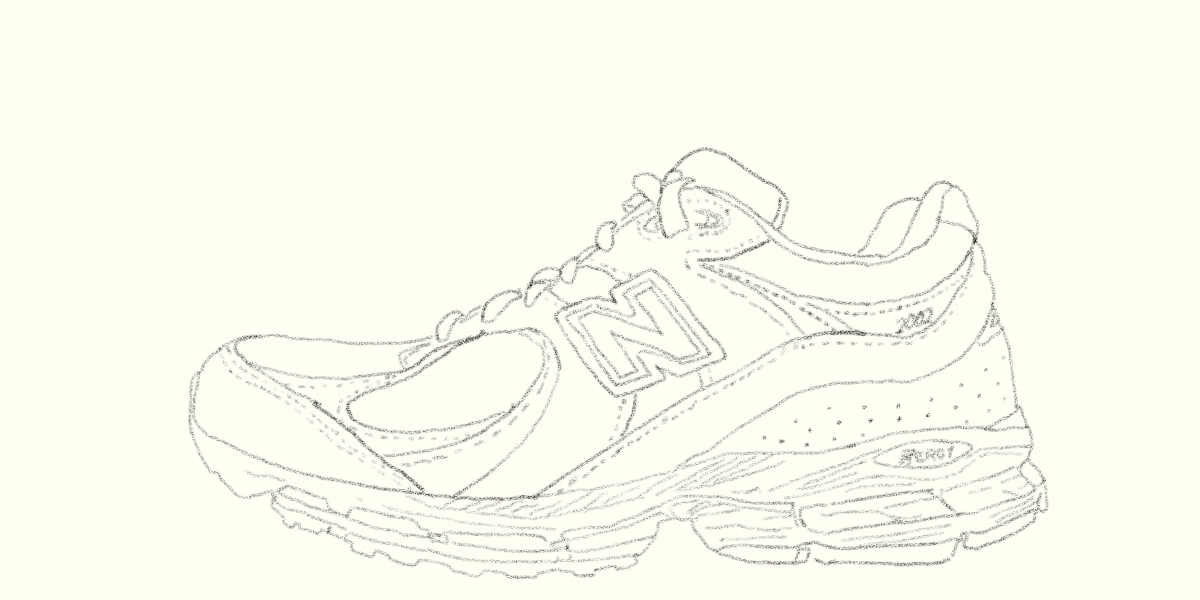
I recently bought a pair of the original New Balance MR2002—a sneaker I’d wanted for years.
Not the modern 2002R.
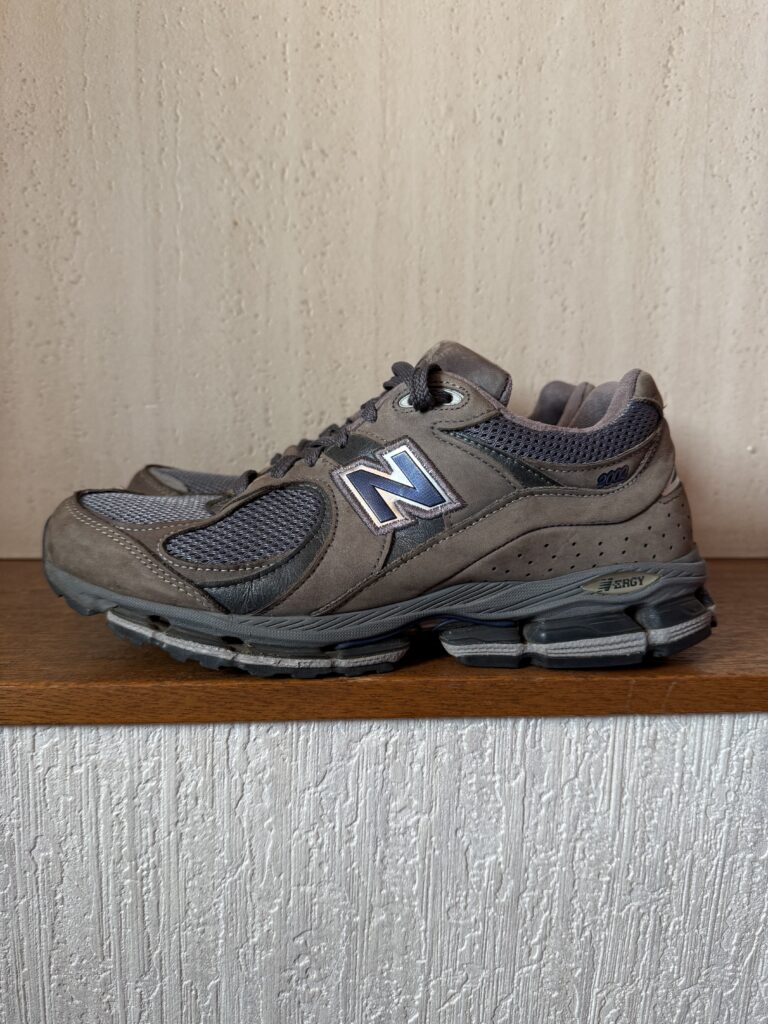
The original Made in USA MR2002, first released in 2010.
For me, this wasn’t just another sneaker purchase. It was something I’d been chasing for a long time.
What Is the Original MR2002?
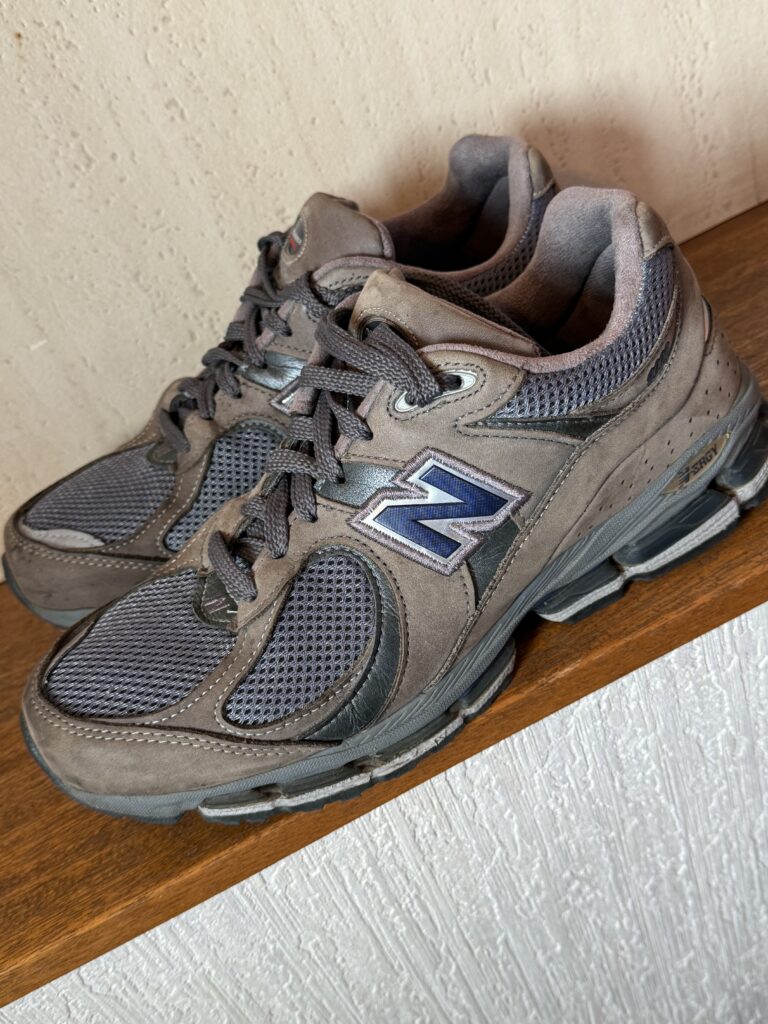
In 2010, New Balance introduced the MR2002, the first new model in the legendary 1000 series after a seven-year break.
This wasn’t just another running shoe.
It was designed to be New Balance’s flagship Made in USA performance runner, showcasing the company’s most advanced technologies at the time.
The MR2002 featured a full-length N-ERGY midsole alongside ABZORB, ACTEVA, STABILITY WEB, and Ndurance. Every major cushioning, stability, and durability technology New Balance had developed was packed into a single shoe.
With a retail price of $250, the MR2002 sat at the very top of New Balance’s lineup.
Today, $250 may not sound extraordinary, but back in 2010 it was a price reserved for only the brand’s most premium models.
The MR2002 wasn’t just expensive—it represented the very best New Balance had to offer.
Built by “SUPER TEAM 33”
The technology alone isn’t what makes the MR2002 so fascinating.
What drew me in even more was the story behind its production.
The MR2002 was manufactured at New Balance’s factory in Skowhegan, Maine, one of the company’s legendary Made in USA facilities.
According to retailers and media at the time, production was entrusted to a group known as “SUPER TEAM 33.”
This team consisted of 33 highly skilled craftsmen, including veterans with more than four decades of sewing experience.
Rather than being treated as another mass-produced running shoe, the MR2002 was built as a showcase of American craftsmanship.
That story made this sneaker feel special long before I ever put it on my feet.
Why I Wanted This Shoe
I’ve always loved New Balance.
I’ve owned and worn many of their models over the years, and they’ve never disappointed me.
The recent 990v6, in particular, is one of the most comfortable sneakers I’ve ever worn. Sometimes I wonder if New Balance can even make a better shoe than that.
Yet somehow, the MR2002 kept calling my name.
The reason is simple.
It wasn’t just the specifications.
It wasn’t just the technology.
It was the idea that this shoe represented the very best work of New Balance’s finest craftsmen.
That kind of story gives a sneaker a different kind of value.
It’s something you can’t measure with cushioning, weight, or performance alone.
For years, I hoped I’d eventually find a pair.
Finding the Original MR2002
I’d wanted this shoe for years.
A while back, I came across a pair at a vintage clothing store.
Unfortunately, they weren’t my size.
I had no choice but to walk away.
But I never forgot them.
The first thing that struck me wasn’t the color or the branding.
It was the incredible craftsmanship.
The layered construction.
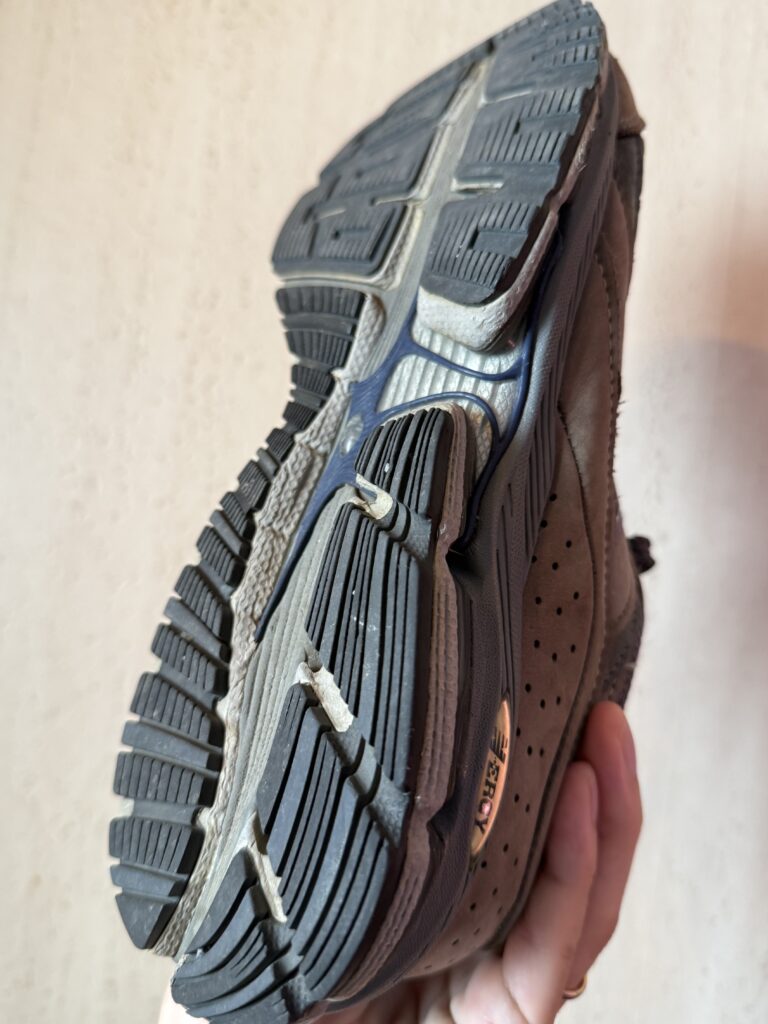
The complex paneling.
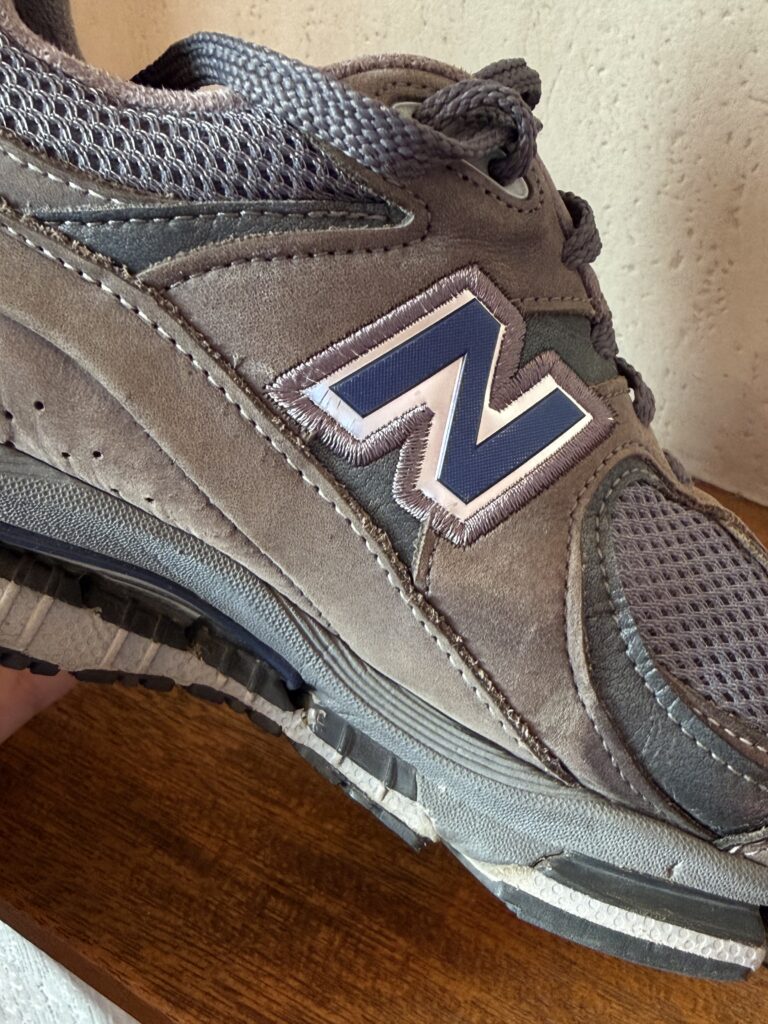
The precise stitching.
Every angle revealed another detail.
It wasn’t simply a premium sneaker.
It was a perfect example of functional beauty—a design where every element existed for a reason.
More than anything, it carried the unmistakable presence of a true flagship model.
Not like the 990 series.
The MR2002 had an aura that belonged only to New Balance’s legendary 2000 series.
Buying One on the Second-Hand Market
This pair came from Mercari, Japan’s largest second-hand marketplace.
Finding one in good condition wasn’t easy.
Before buying it, however, I had one major concern.
Hydrolysis.
Since the MR2002 was released in 2010, the pair I found was already around 16 years old.
Many older sneakers that use polyurethane midsoles eventually suffer from hydrolysis, causing the sole to crumble over time.
Before making my decision, I spent hours researching.
I searched English forums.
I read old reviews.
I looked through Reddit discussions.
Surprisingly, I found very few reports of the original MR2002 suffering from hydrolysis compared to other New Balance models from the same era.
Of course, that doesn’t mean it’s impossible.
But after carefully examining the photos and researching the model, I finally decided to take the risk.
Can You Still Wear a 16-Year-Old MR2002?
The short answer is…
Yes.
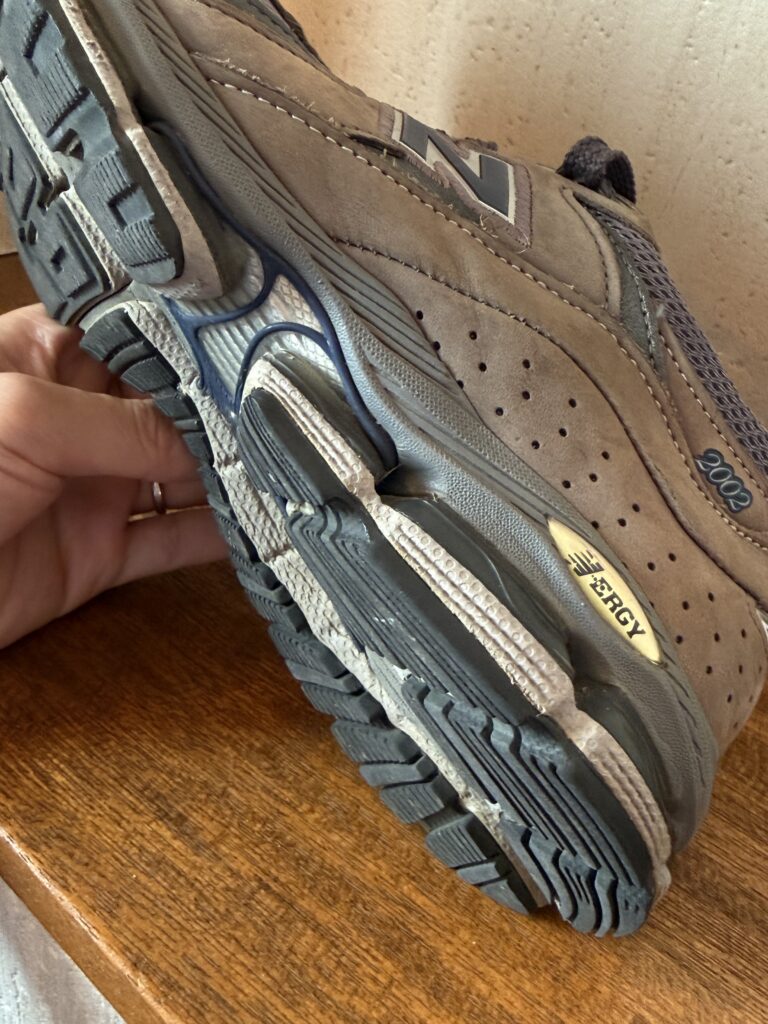
To my relief, the shoes were completely wearable.
The midsole didn’t feel unusually soft.
There was no sign of deterioration while walking.
Most importantly, nothing suggested that hydrolysis had begun.
For now, everything seems perfectly fine.
Considering their age, I honestly couldn’t have asked for a better outcome.
First Impressions
The moment I opened the box, I smiled.
“It’s just as beautiful as I remembered.”
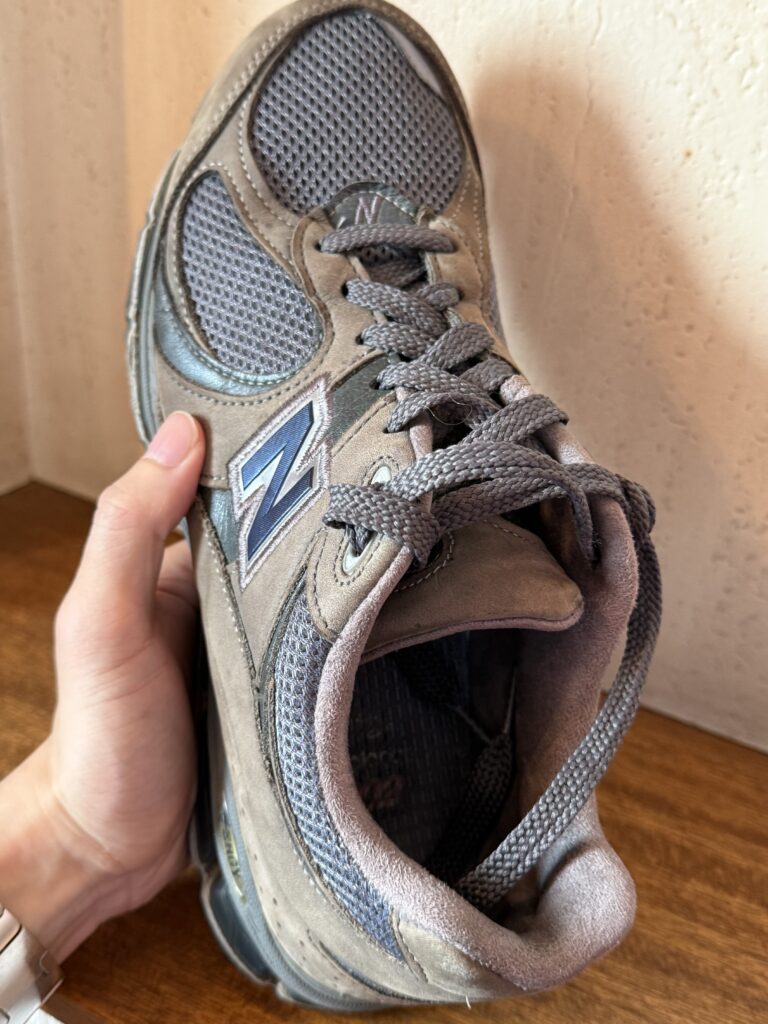
Seeing the MR2002 again instantly brought me back to that vintage store years ago.
Despite being over 16 years old, the shoe still feels remarkably well made.
There’s a certain solidity that you don’t often find in modern sneakers.
It’s unmistakably a product of New Balance’s Made in USA craftsmanship.
Comfort
I haven’t put the MR2002 through a full 20,000-step walking test yet, so these are only my first impressions.
A long-term review will come later after I’ve spent much more time wearing them.
If you’re interested in that review, feel free to follow my Instagram.
I’ll post updates in my Stories whenever a new article goes live.
Cushioning
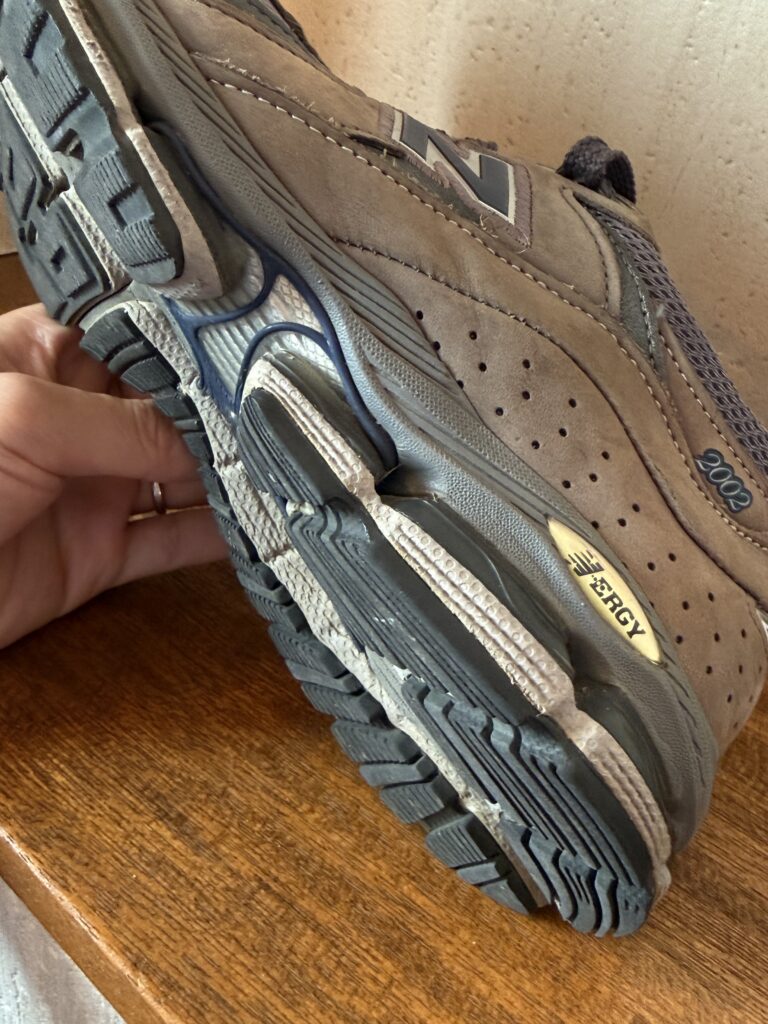
The cushioning was the biggest surprise.
It feels unlike any other New Balance model I’ve worn.
The best way I can describe it is this:
It feels like walking on a carpet.
Not because it’s overly soft, but because the impact is absorbed so smoothly that every step feels incredibly comfortable.
The full-length N-ERGY cushioning creates a unique sensation that I haven’t experienced in models like the 990v6 or the 993.
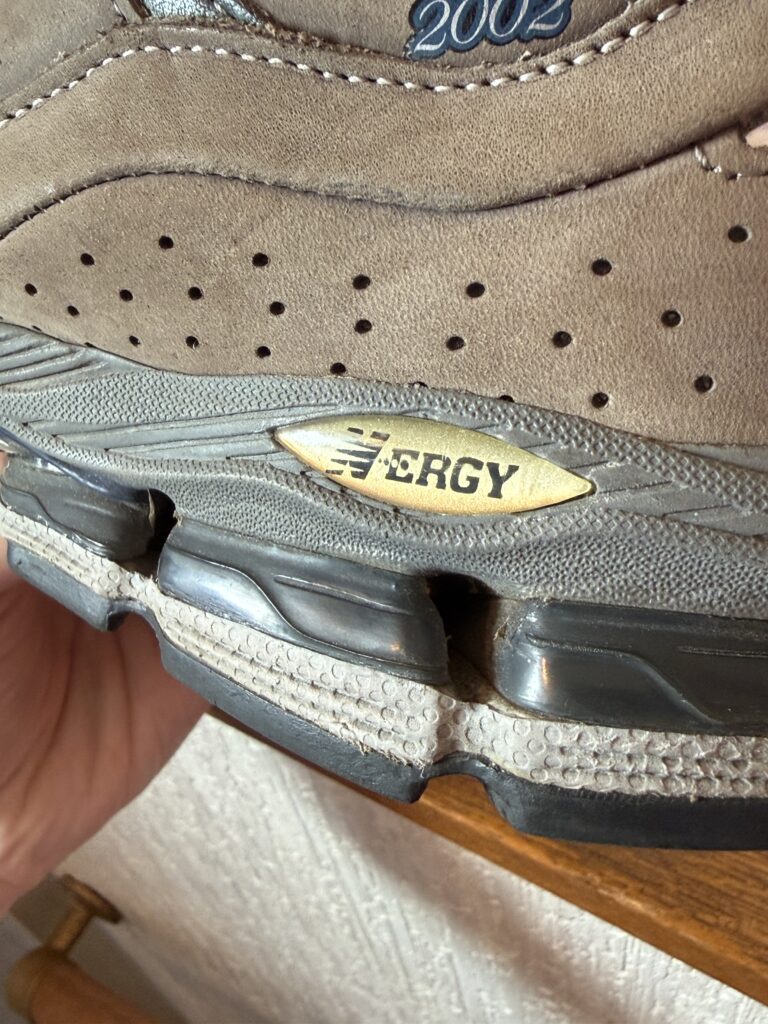
It’s soft, stable, and refined all at once.
Stability
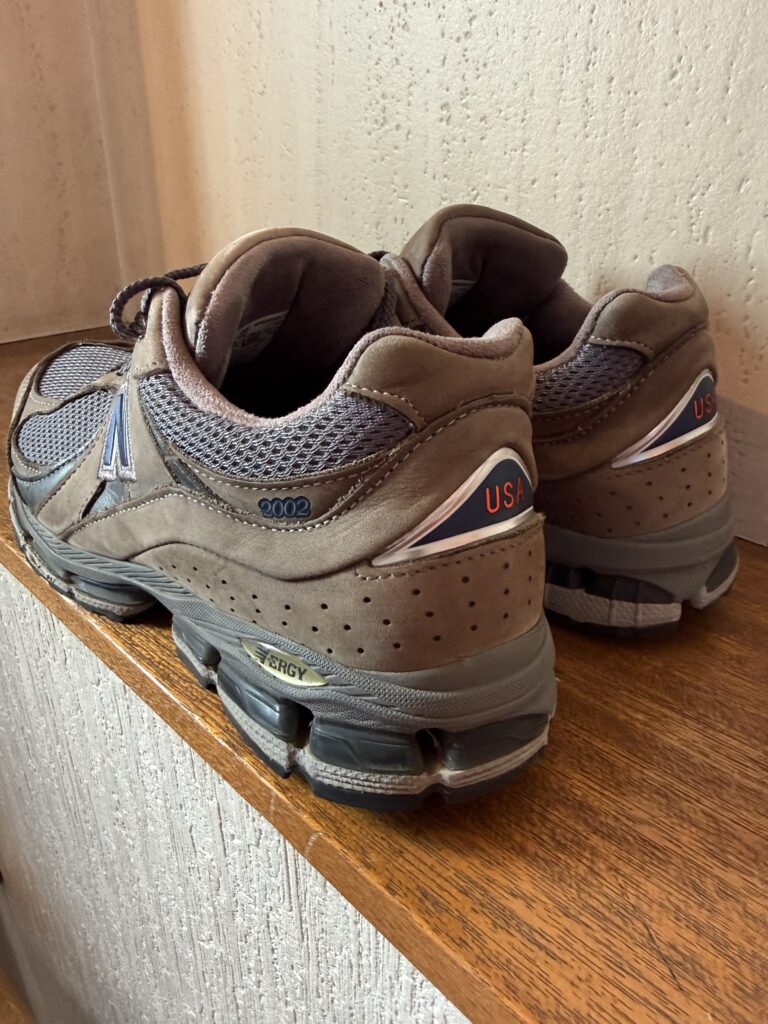
Stability is another area where the MR2002 truly shines.
The first thing I noticed was the upper.
The premium nubuck wraps around the foot almost like a glove.
Combined with the layered construction of the upper, the fit feels secure without being restrictive.
The midsole also does an excellent job of controlling movement.
Even though the shoe provides plenty of cushioning, it never feels unstable.
It’s the kind of balance that reminds you this was designed as a high-end performance running shoe.
Responsiveness
If there’s one area where the MR2002 feels dated, it’s energy return.
Don’t expect the springy, propulsive ride you get from modern shoes with FuelCell foam.
Instead, the MR2002 focuses on absorbing impact rather than pushing you forward.
The forefoot also feels relatively low to the ground, naturally encouraging you to push off from the ball of your foot.
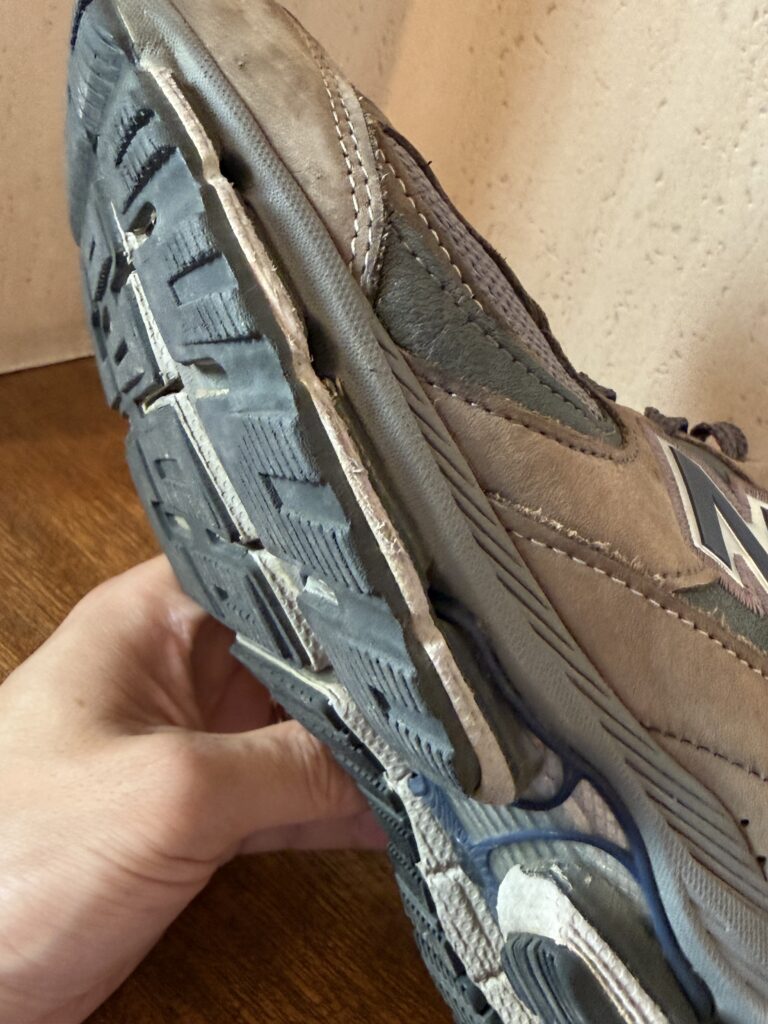
You can tell this shoe comes from an era when running shoes prioritized stability and smooth transitions over maximum rebound.
Even today, that philosophy still feels surprisingly natural.
A Completely Different Shoe from the 2002R
After wearing the original MR2002, one thing became immediately clear.
The MR2002 and the 2002R are completely different shoes.
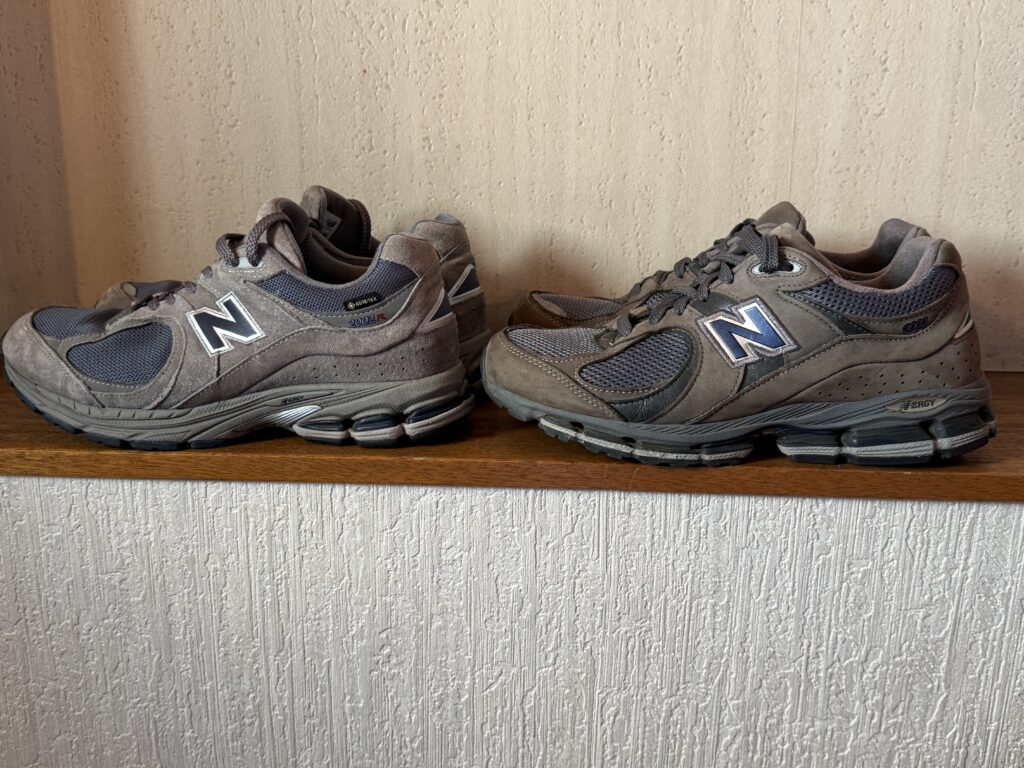
They may look similar.
But that’s where the similarities end.
The materials feel different.
The upper feels different.
The sole construction is different.
And most importantly, the ride is different.
The original MR2002 was built as New Balance’s flagship running shoe in 2010, with little compromise in materials or construction.
The 2002R successfully carries over the original design language, but it delivers a different experience underfoot.
If you’ve only worn the 2002R, the original MR2002 will likely surprise you.
Final Thoughts
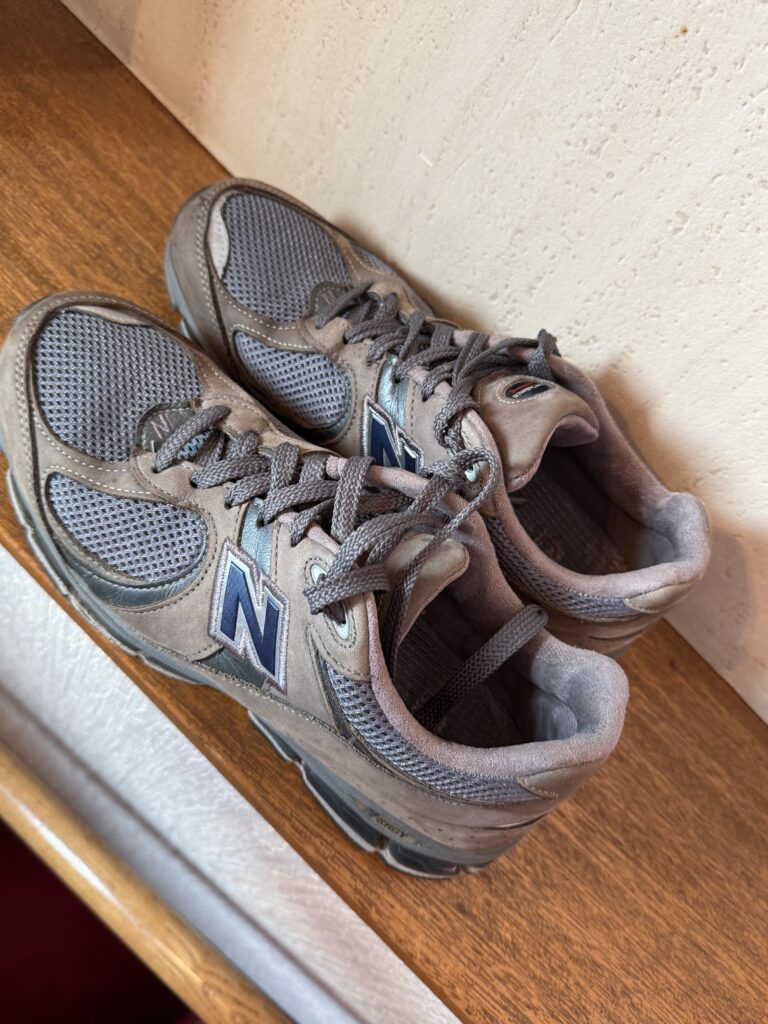
I’ll admit it—I hesitated before buying this pair.
After all, this is a 16-year-old sneaker.
Hydrolysis was a real concern, and I spent hours researching before making my decision.
Fortunately, that concern turned out to be unfounded—at least for this particular pair.
More importantly, wearing the MR2002 helped me understand why it earned its reputation as New Balance’s flagship.
This wasn’t simply another premium sneaker.
It represented everything New Balance was capable of creating at the time.
The craftsmanship.
The technology.
The comfort.
Even after all these years, those qualities are still easy to appreciate.
I’ve only just begun wearing them, so this is far from my final verdict.
Once I’ve put them through a proper 20,000-step walking test, I’ll publish a long-term review covering comfort, durability, and how they compare with today’s New Balance lineup.
Until then, I can confidently say one thing:
Some great sneakers don’t just survive the passage of time—they remind us why they became classics in the first place.
Thank you for reading until the end, That’s all for this review.
I also upload New Balance review videos on YouTube.